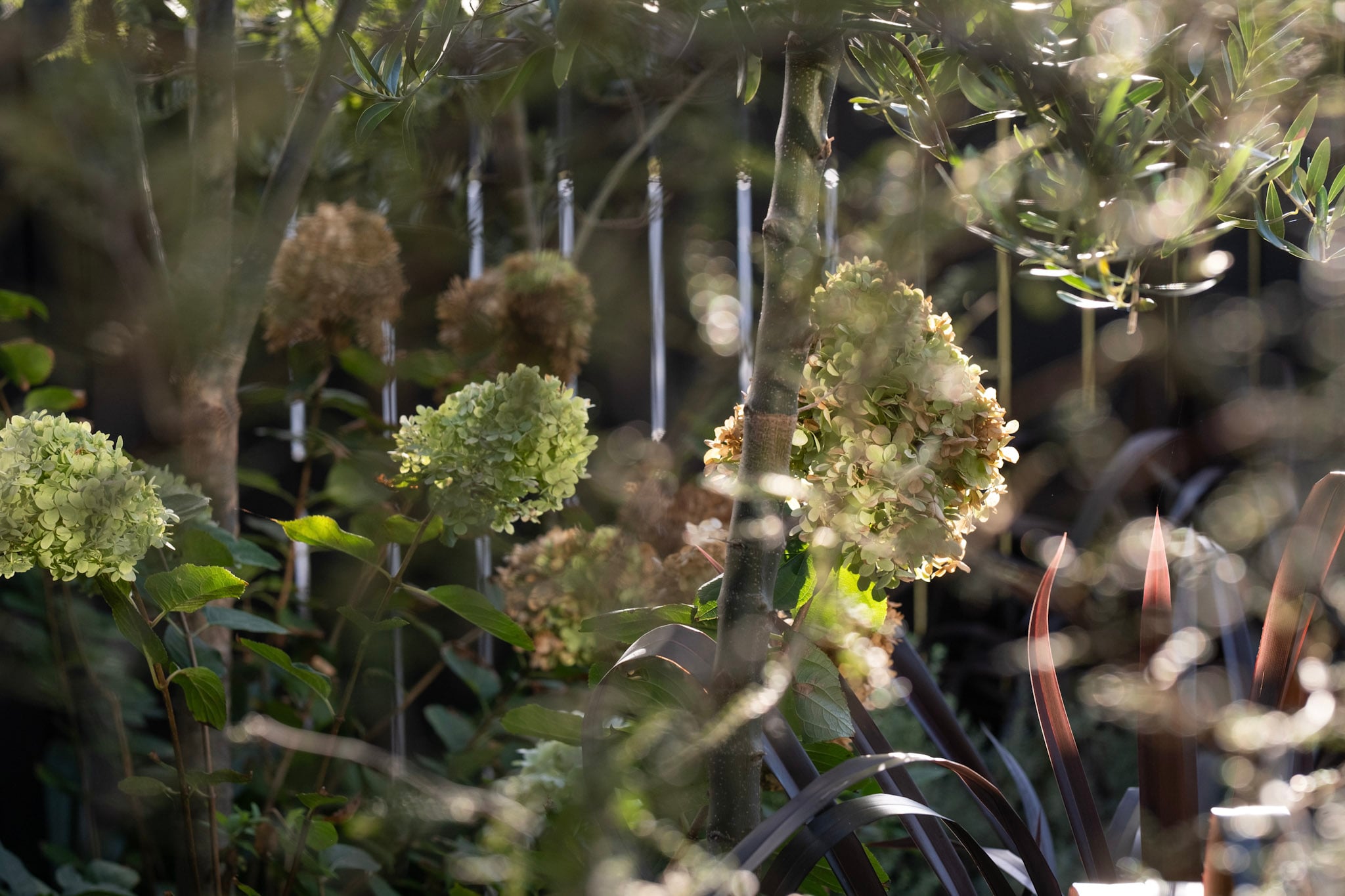
A successful garden begins with structure and is brought to life through change.
An Aotearoa-centric planting style embraces this balance — using native plants to create a strong, enduring framework, then layering in floral interest to introduce softness, movement, and seasonal variation. The result is a landscape that feels grounded in place while remaining visually dynamic throughout the year.
Why Native Plants Are Essential for Structure
Native planting provides the backbone of a well-resolved garden. Adapted to Aotearoa’s conditions, native species offer:
- Clear architectural form and repetition
- Resilience to wind, sun, and coastal exposure
- Low-maintenance, long-term stability
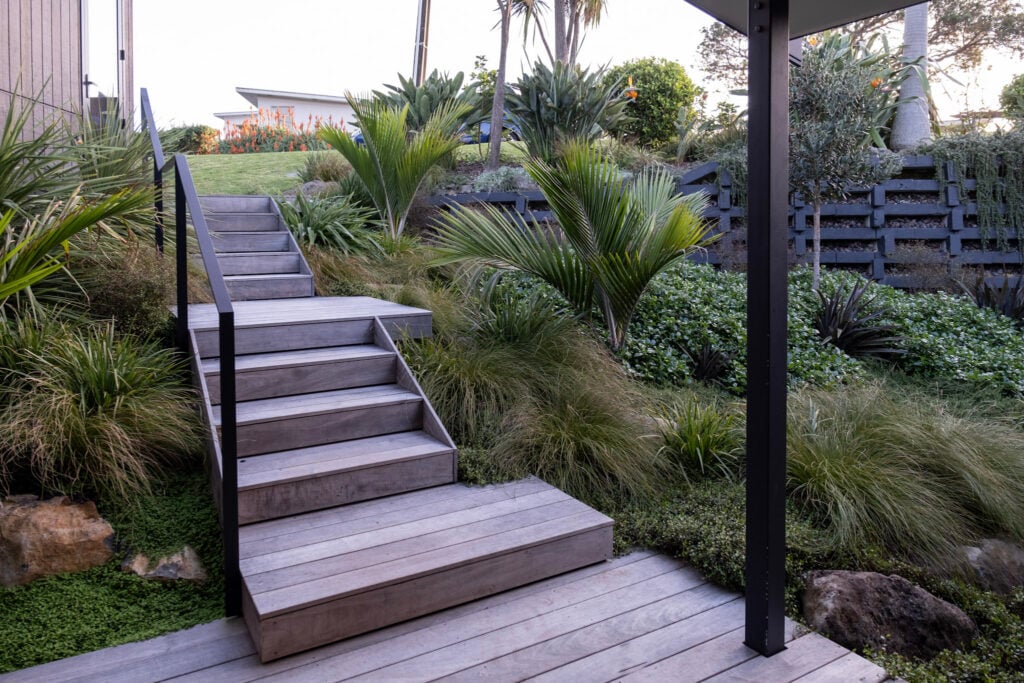
This structural layer — often described as the bones of the garden — holds the entire design together. It ensures coherence through all seasons, even when softer planting recedes.
In Auckland conditions, a reliable structural native palette includes:
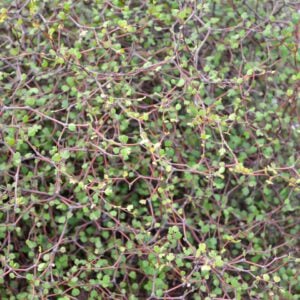
Groundcovers
- Coprosma repens ‘Poor Knights’
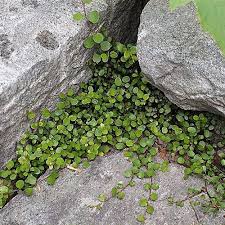
- Muehlenbeckia axillaris
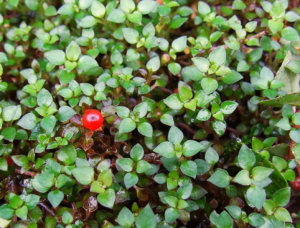
- Nertera depressa
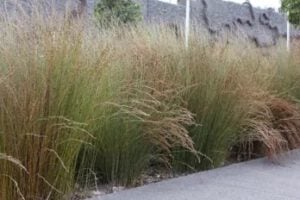
Grasses & strappy forms
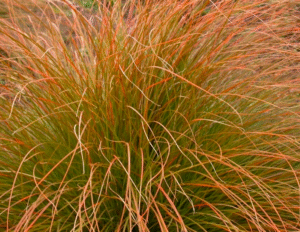
- Carex testacea
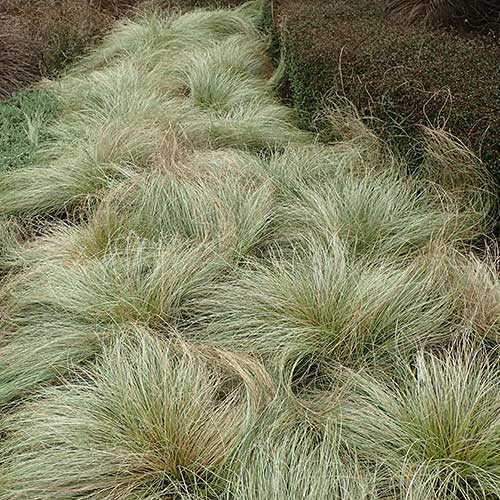
- Carex comans ‘Green’
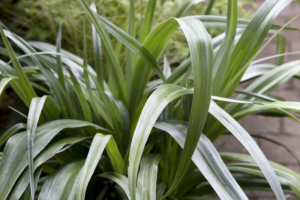
- Astelia chathamica
- Apodasmia similis (oioi)
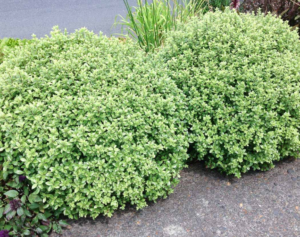
Structural shrubs
- Pittosporum tenuifolium
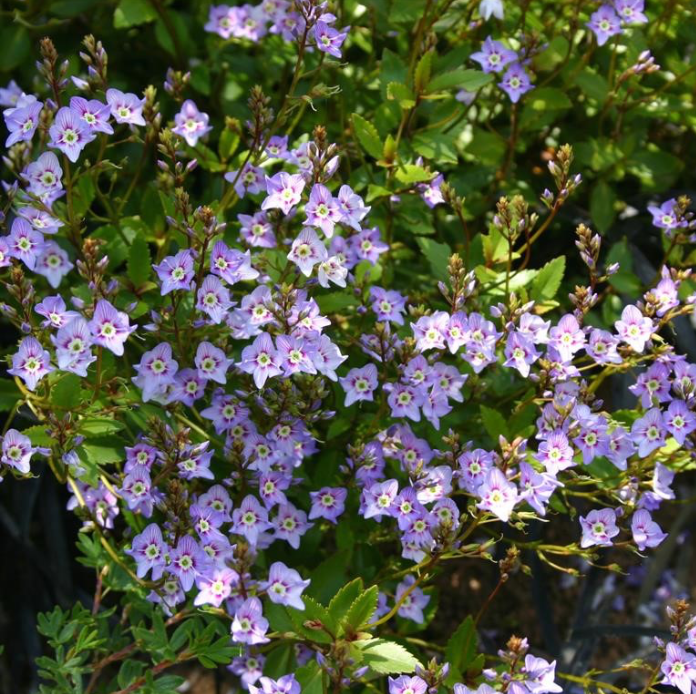
- Hebe varieties
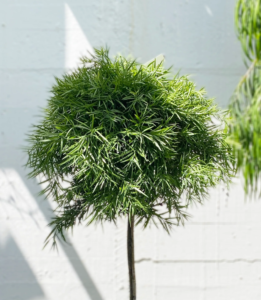
- Podocarpus gracilior (clipped forms)
- Muehlenbeckia astonii
Feature trees
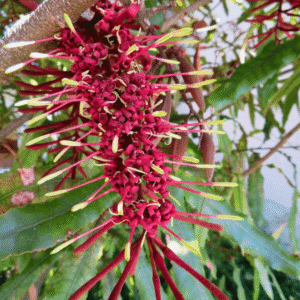
- Knightia excelsa (rewarewa)
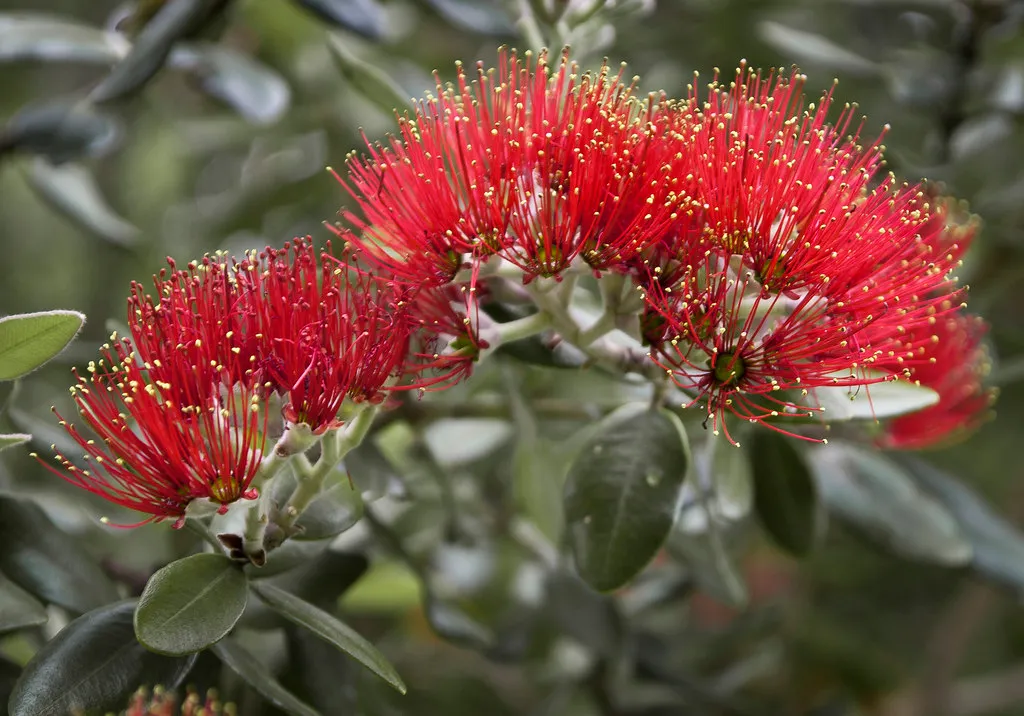
- Pōhutukawa
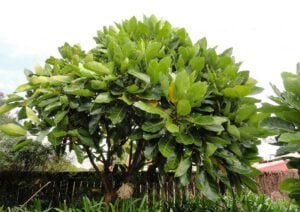
- Meryta sinclairii (puka)
- Apodasmia similis (oioi)
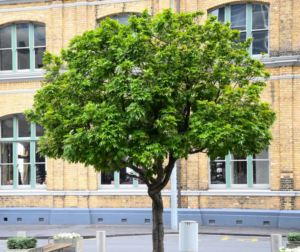
These plants establish rhythm, anchor the space, and create a distinctly Aotearoa identity.
Extending Pollination Through Floral Diversity
While native plants are invaluable for structure and habitat, many have relatively short flowering
periods.
Introducing carefully selected non-native and hybrid species allows a garden to extend its pollination window, providing continuous food sources for bees, butterflies, and beneficial insects from early spring through to late autumn.
This reflects a growing shift in contemporary landscape design — particularly across Australasia — towards planting for longer ecological performance, not just peak visual moments.
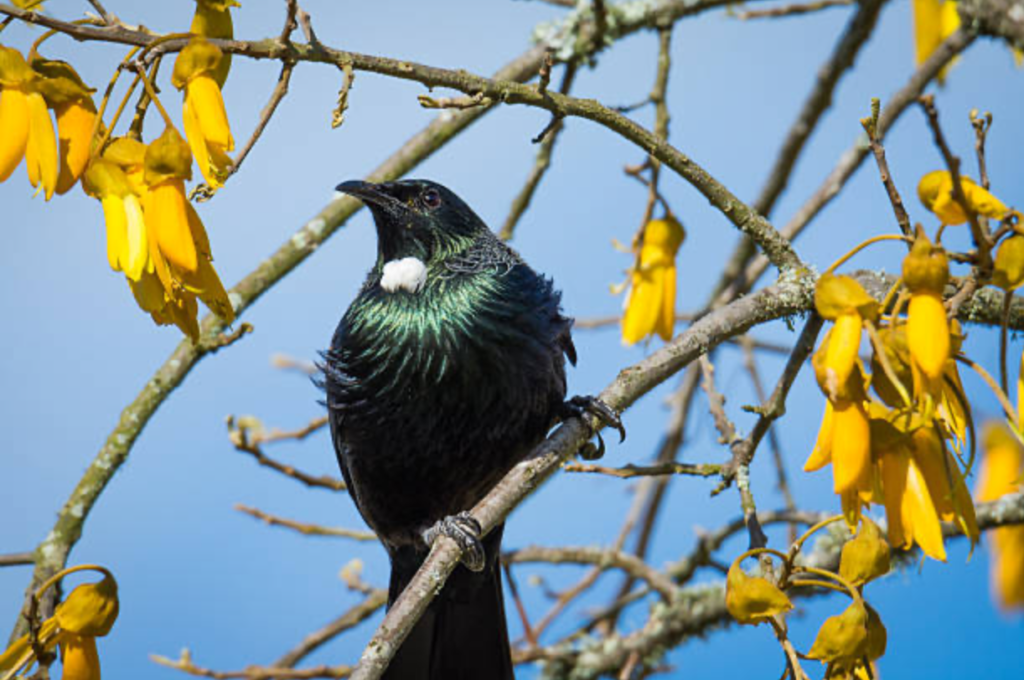
By diversifying planting, it becomes possible to:
- Support pollinators across more of the year
- Increase biodiversity within urban gardens
- Create layered, evolving visual interest
Momentary Planting: Softness, Movement, and Seasonality
The softer, seasonal layer — referred to as momentary planting — introduces contrast to the structure.
This layer is intentionally dynamic. It weaves through the native framework, appearing, fading,
and re-emerging with the seasons.
For Auckland gardens, a resilient and effective palette includes:
Long-flowering perennials
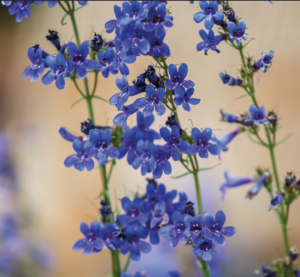
- Penstemon varieties
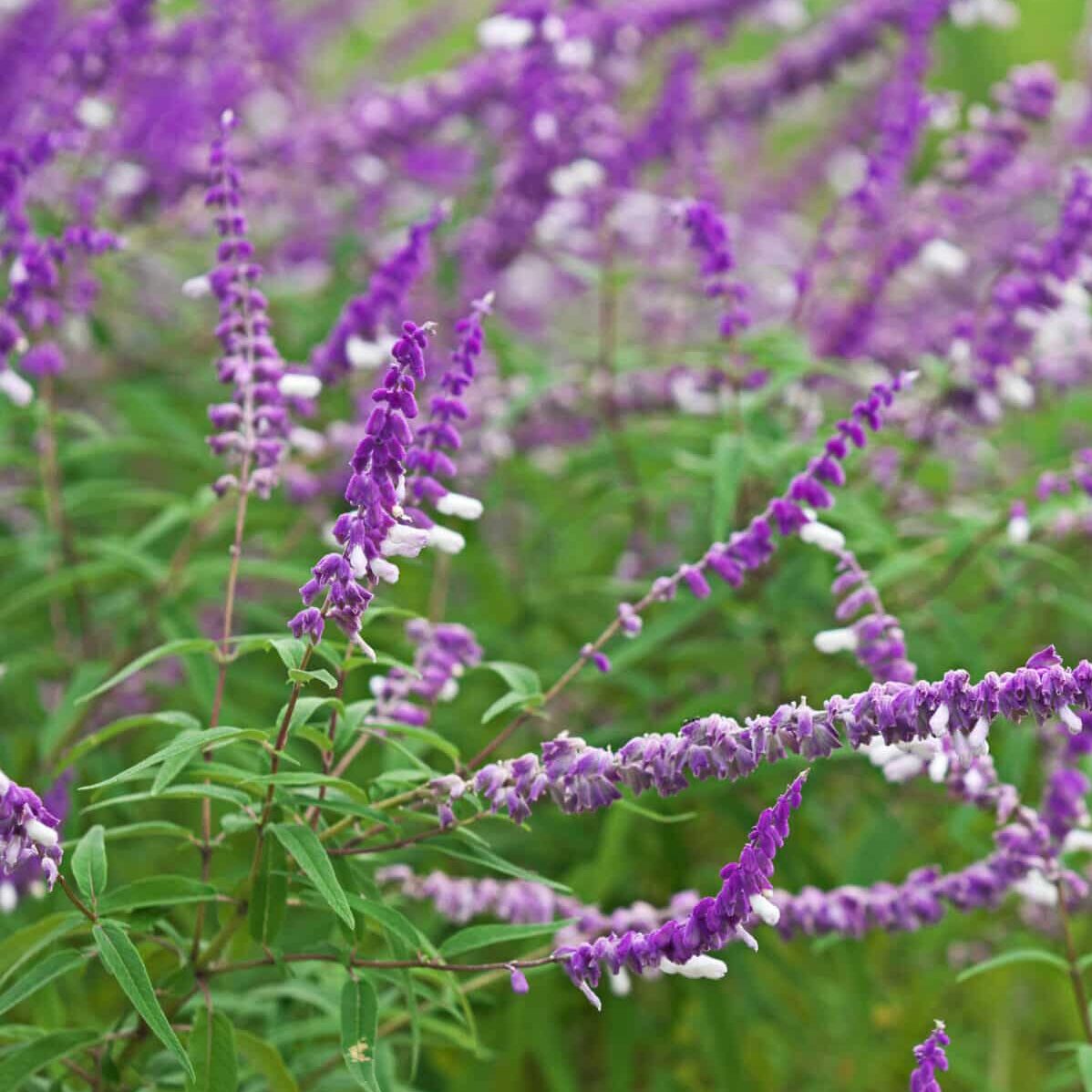
- Salvia leucantha
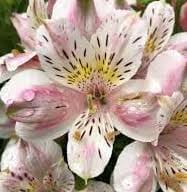
- Alstroemeria varieties
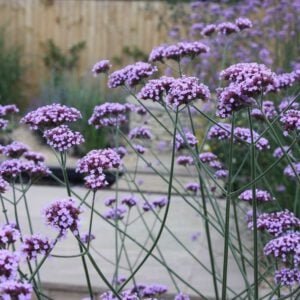
- Verbena bonariensis
Pollinator-attracting colour
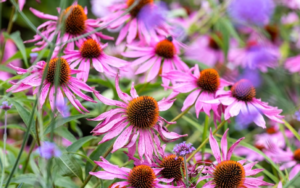
- Echinacea
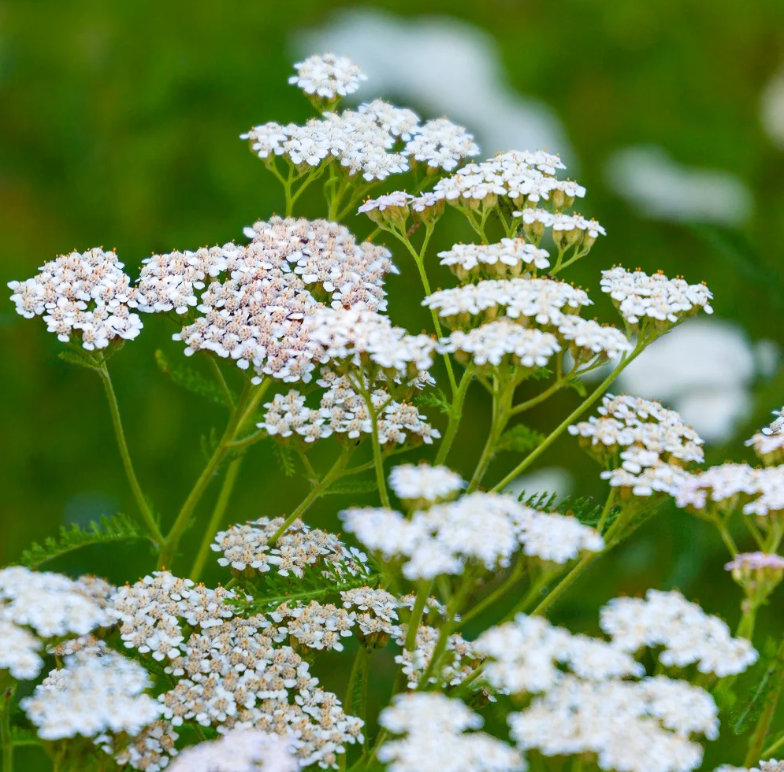
- Achillea varieties
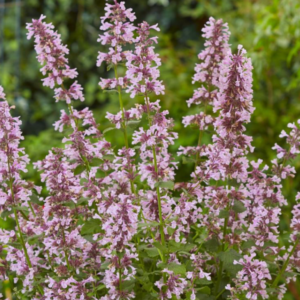
- Nepeta
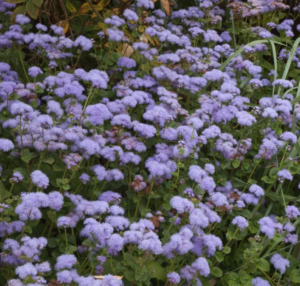
- Ageratum houstonianum
Textural movement
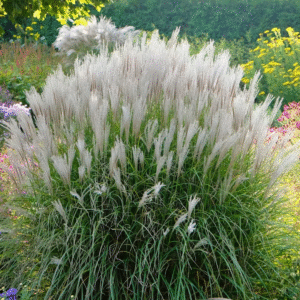
- Miscanthus sinensis
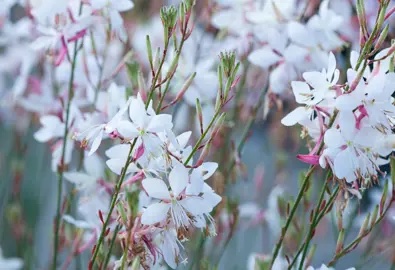
- Gaura lindheimeri
- Anemanthele lessoniana
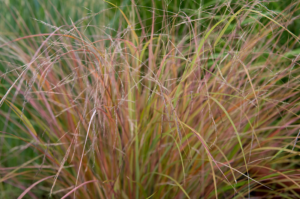
Seasonal highlights
- Helleborus (winter interest)
- Craspedia globosa (summer–autumn colour and form)
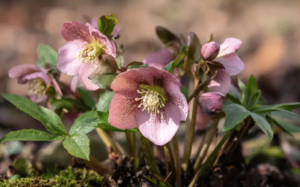
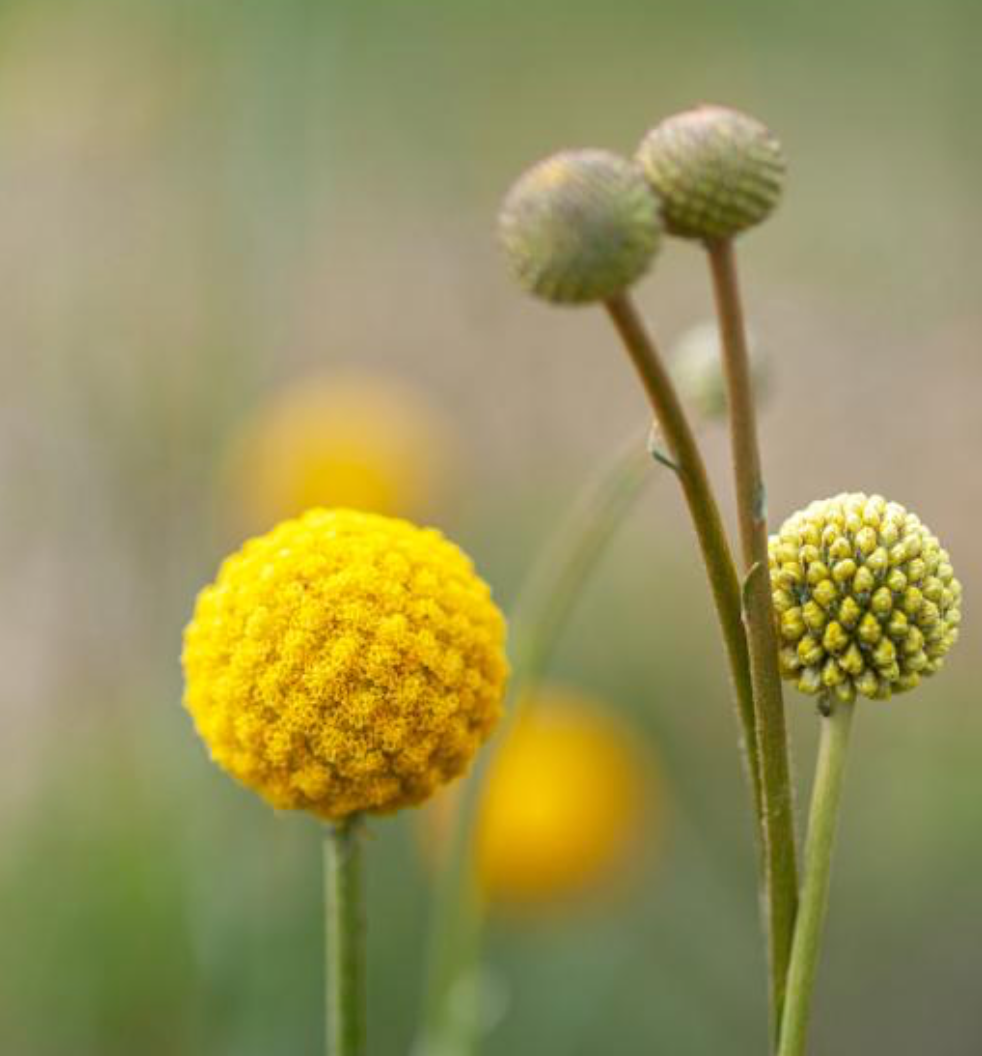
These plants extend flowering cycles while introducing lightness, movement, and seasonal
expression.
Designing Gardens as Living Systems
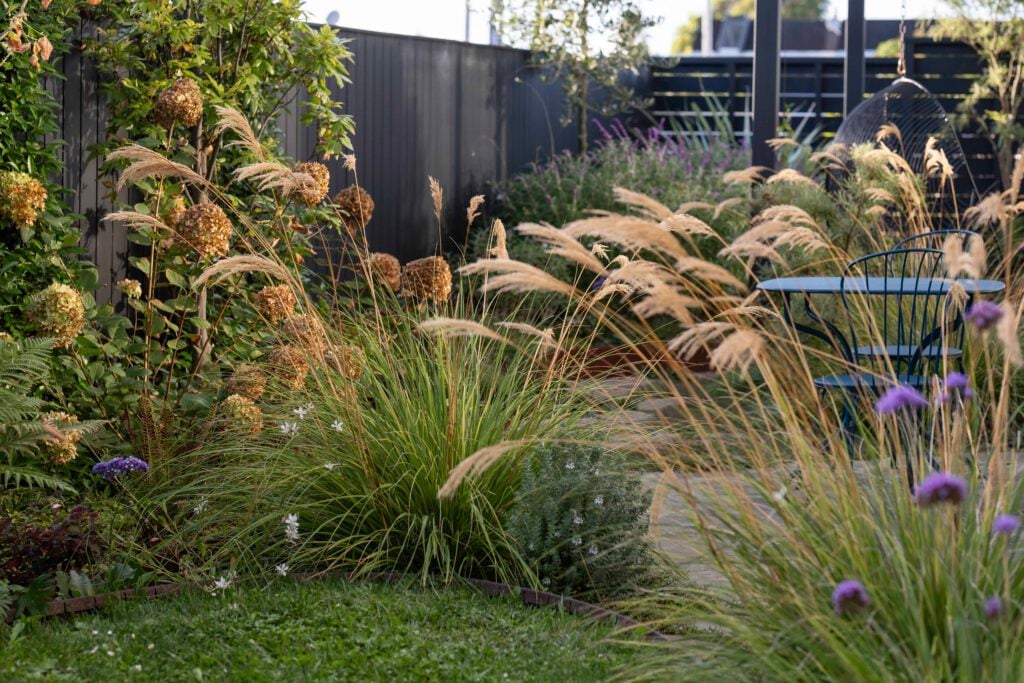
A key principle in contemporary landscape design is understanding gardens as living systems.
Rather than designing for a single moment, planting should support ecological function,
seasonal succession, and long-term resilience.
This involves:
- Using native planting to anchor the system
- Layering diverse species to extend ecological activity
- Designing for continuous change rather than static form
The result is a garden that not only looks beautiful, but actively supports birdlife, pollinators, and environmental health.
Balancing Permanence and Change
The interplay between structure and seasonality is where gardens gain depth.
- The bones of the garden provide clarity and permanence
- Momentary planting introduces softness, variation, and seasonal expression
Striking this balance avoids both rigidity and chaos, creating landscapes that feel composed yet natural.
Year-Round Impact
A well-considered planting scheme ensures the garden remains engaging in every season:
- Winter: strong structure, evergreen form, seed heads
- Spring: fresh growth and early nectar sources
- Summer: abundance, colour, peak pollinator activity
- Autumn: extended flowering, warmth, and textural richness
By extending the flowering period beyond that of native plants alone, the garden continues to support life — and visual interest — for longer.
A Considered Planting Philosophy
An Aotearoa-centric planting approach is not about choosing between native and non-native species, but understanding their roles.
- Native plants provide structure, identity, and resilience
- Floral planting provides seasonality, diversity, and ecological extension
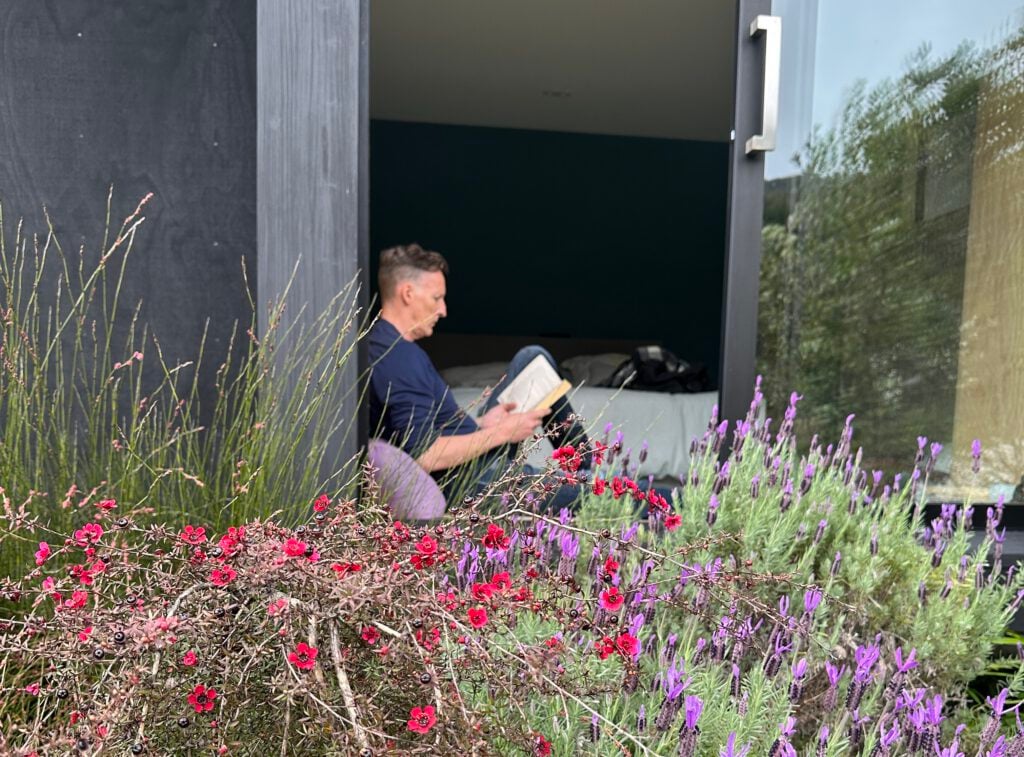
Together, they create gardens that are grounded, dynamic, and deeply connected to place —
landscapes that evolve over time while remaining visually and environmentally rich.
Book a private consultation with our design team today and start your Aotearoa-centric garden journey with confidence, creativity, and a deep respect for place.