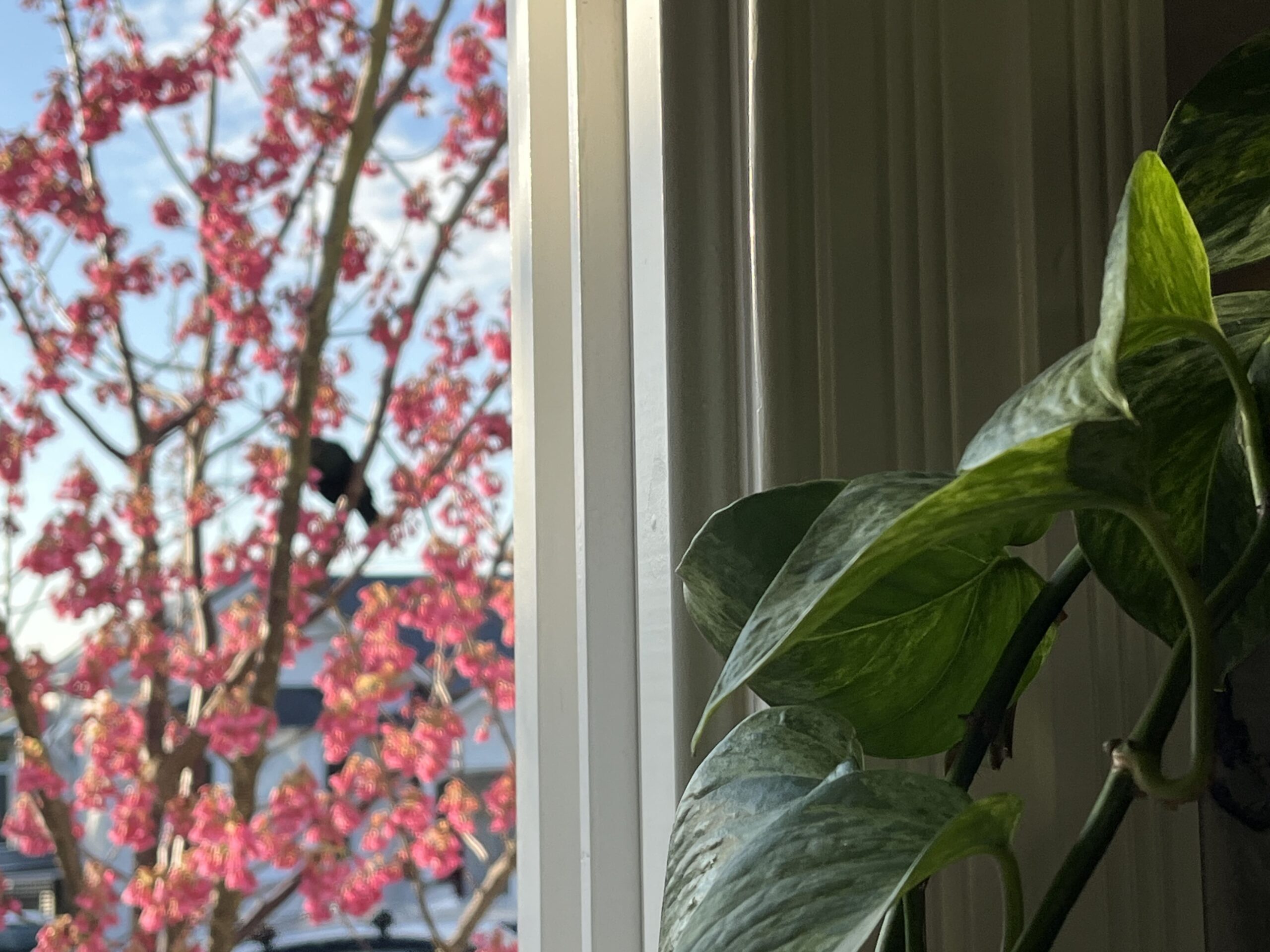
Sculpt’s Auckland garden designers explain why designing your garden first creates a more connected, cohesive home — with guidance on NZ native planting, outdoor rooms, and seasonal design.
Before you finalise a floor plan, choose a material, or position a window — step outside. The relationship between your home and its garden is one of the most powerful design decisions you’ll make. Get it right, and your home feels generous, grounded, and alive. Leave it as an afterthought, and something is always slightly off.
Do you need more house — or a better connection to your garden? It’s worth asking before you build, extend, or renovate. For many Auckland homeowners, the answer isn’t more interior space — it’s a smarter, more intentional relationship with what lies beyond the door. And that’s exactly where working with an experienced garden designer makes all the difference.
Designing from the Outside In
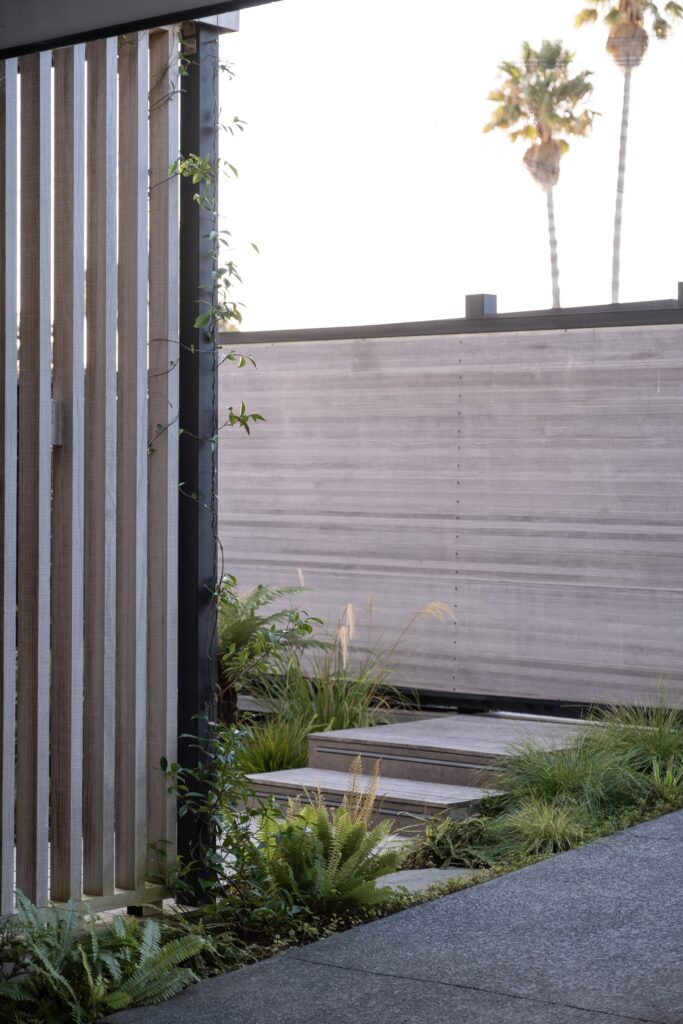
When designing a garden, we look first at the surroundings — the views from inside out, and the flow linking interior rooms to outdoor social spaces. Design the space well, and it will naturally pull people outside.
In Aotearoa, we’re incredibly fortunate. Our landscapes are varied, beautiful, and closely connected to how we live — whether coastal planting, a home set within native bush, lifestyle block living, or a structured urban garden. The environment outside should be drawn into the house, pulling you outward while bringing the view back inside.
Too often, homes are designed in isolation. Rooms are planned, finishes selected, and only then is the garden considered. By the time the build or renovation is nearly complete, key architectural decisions have already been made — and it can be too late to create something truly cohesive. This is a missed opportunity, and a costly one. It reduces the overall value of the home and creates a disconnect between house and garden.
Think of your windows as frames — and your garden as the artwork.
Every decision about layout, sightlines, and flow should consider:
- What do you see from each room?
- How does light move through the space — where is the morning light, where does the sun set, which areas receive the full heat of the summer sun?
- What changes across the seasons?
In our designs, we carefully position trees, planting, and structure so that every view feels intentional. A well-placed feature tree, a considered pot, or layered native planting can transform not just the garden — but the experience of being inside your home.
A Living, Changing Landscape
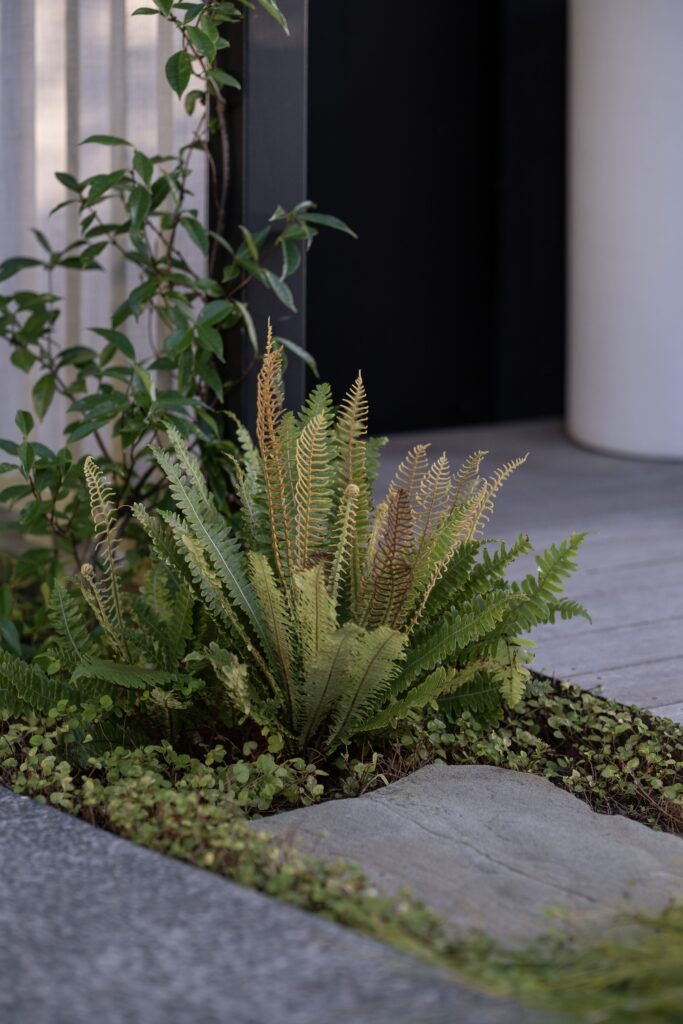
One of the most rewarding aspects of a well-planned garden is that it is never static. This is where working with a garden designer becomes invaluable — seasonal change can be thoughtfully woven into the design from the beginning.
In summer, the garden feels lush, vibrant, and full of life. By autumn, deciduous trees bring softer tones of bronze and gold. Winter introduces more structure, with less floral interest.
Spring lifts everything again with freshness and colour. When your home is designed in relationship with the garden, these seasonal changes are felt indoors too. Light shifts, colours evolve, and the feeling of each room subtly transforms — giving you a home that always has something new to take in.
Trees: Structure and Life in an NZ Native Garden
We always encourage planting around the home. Trees, in particular, are essential:
- They provide shade in summer and filter light beautifully in winter
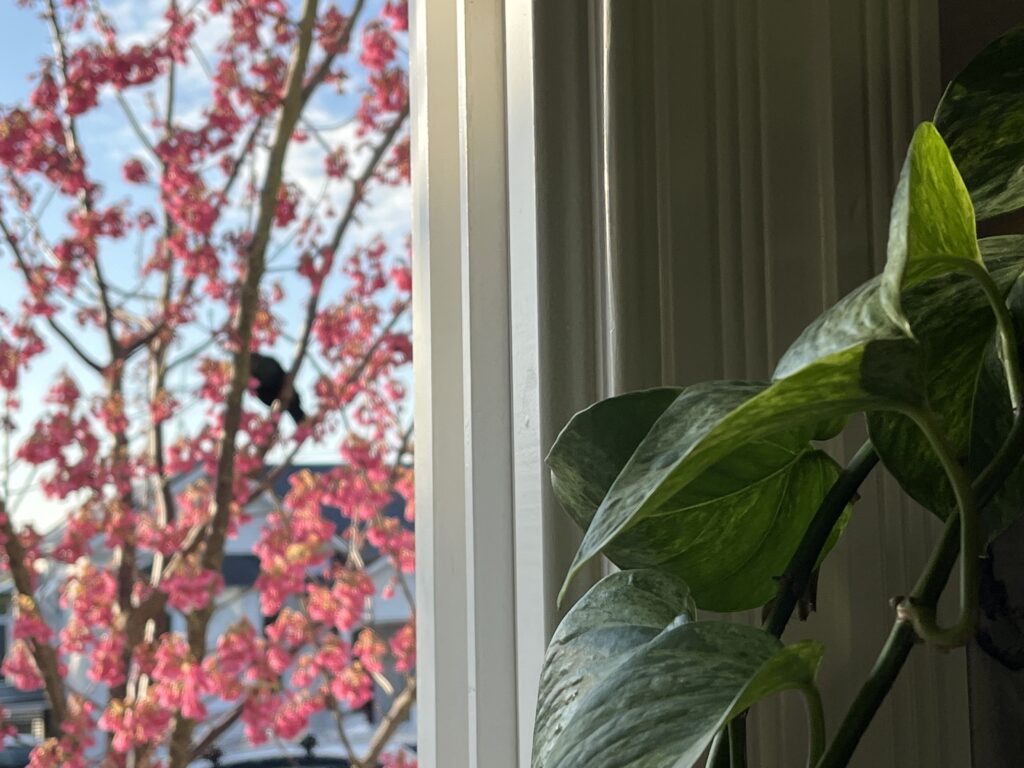
- They attract bird life, bringing sound and movement through rustling leaves
- They offer seasonal change — especially with deciduous colour
- They add structure, bark texture, and visual interest across interior spaces
In the New Zealand context, designing with natives is both an ecological choice and an aesthetic one. A well-considered garden with native planting, biodiversity, and a deep sense of place — connects your home to the wider landscape in a way that exotic planting rarely achieves. We layer natives for structure and ecology with softer planting for seasonal interest — what we call an Aotearoa-centric planting style. This aligns closely with the Sculpt philosophy: strong structure, softened with planting that supports life — birds, insects, and seasonal change.

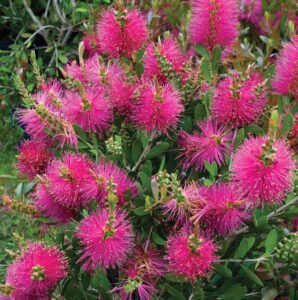

Some of our favourite trees for this work include Grevillea ‘Honey Gem’ for its long flowering season and exceptional bird attraction, Pyrus calleryana for its spring blossom and rich autumn colour, and Callistemon ‘Burgundy Jack’ for its deep-toned flowers that draw both birds and bees. For more on choosing trees that bring birdlife into your garden, see our guide to bird-friendly trees.
Rethinking Space
Before extending your home, it’s worth asking again: do you need more house — or a better connection to your garden?
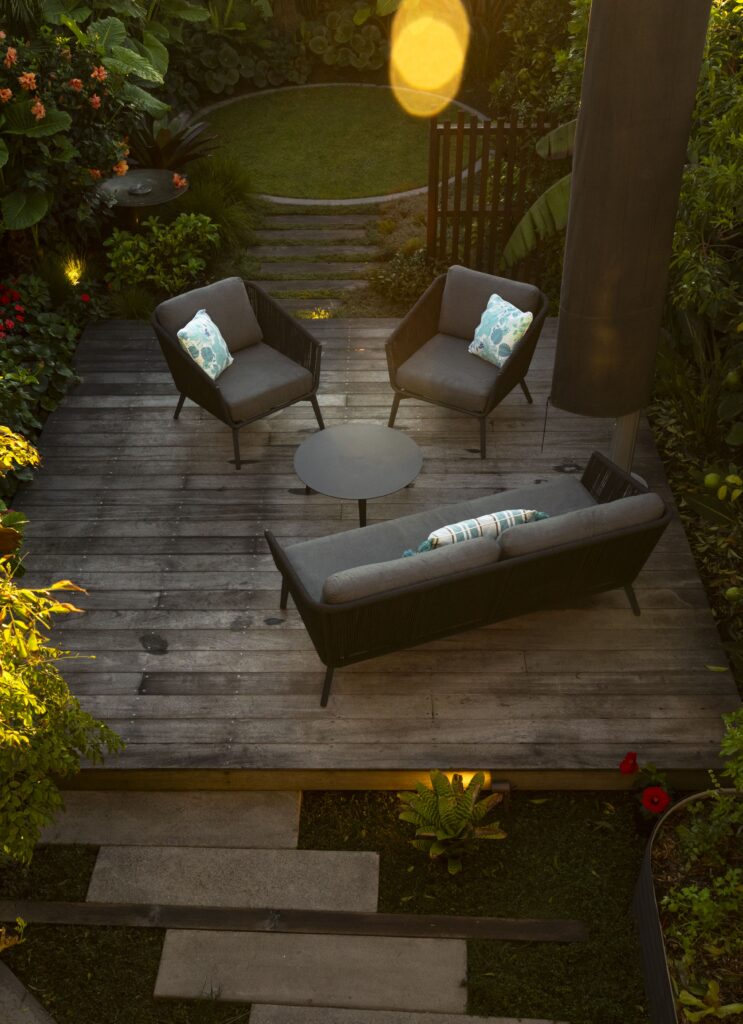
Often, the answer lies in creating a well-designed transitional space — an outdoor room that flows directly from the house into the garden. An area with a clear purpose, whether for dining, relaxing, or entertaining, can become a natural extension of the home. With gathering elements such as a fire, comfortable seating, a spa, or an outdoor kitchen, this space can be used year-round.
In urban Auckland settings especially, we focus on:
- Seamless flow between indoors and outdoors
- Social spaces that are sheltered, usable, and inviting
- Layered planting that surrounds and softens these areas with greenery
Even on smaller sites, a purposeful outdoor room can make the home feel more generous,
more usable, and more deeply connected to the garden.
Interiors That Support, Not Compete
At Sculpt, we favour interiors that sit quietly alongside the garden. The strongest home-garden connections we’ve designed share a common thread: the interior doesn’t try to dominate. Materials, colours, and textures chosen inside are reflected outside — creating a visual conversation between the two.
In practice, this means:
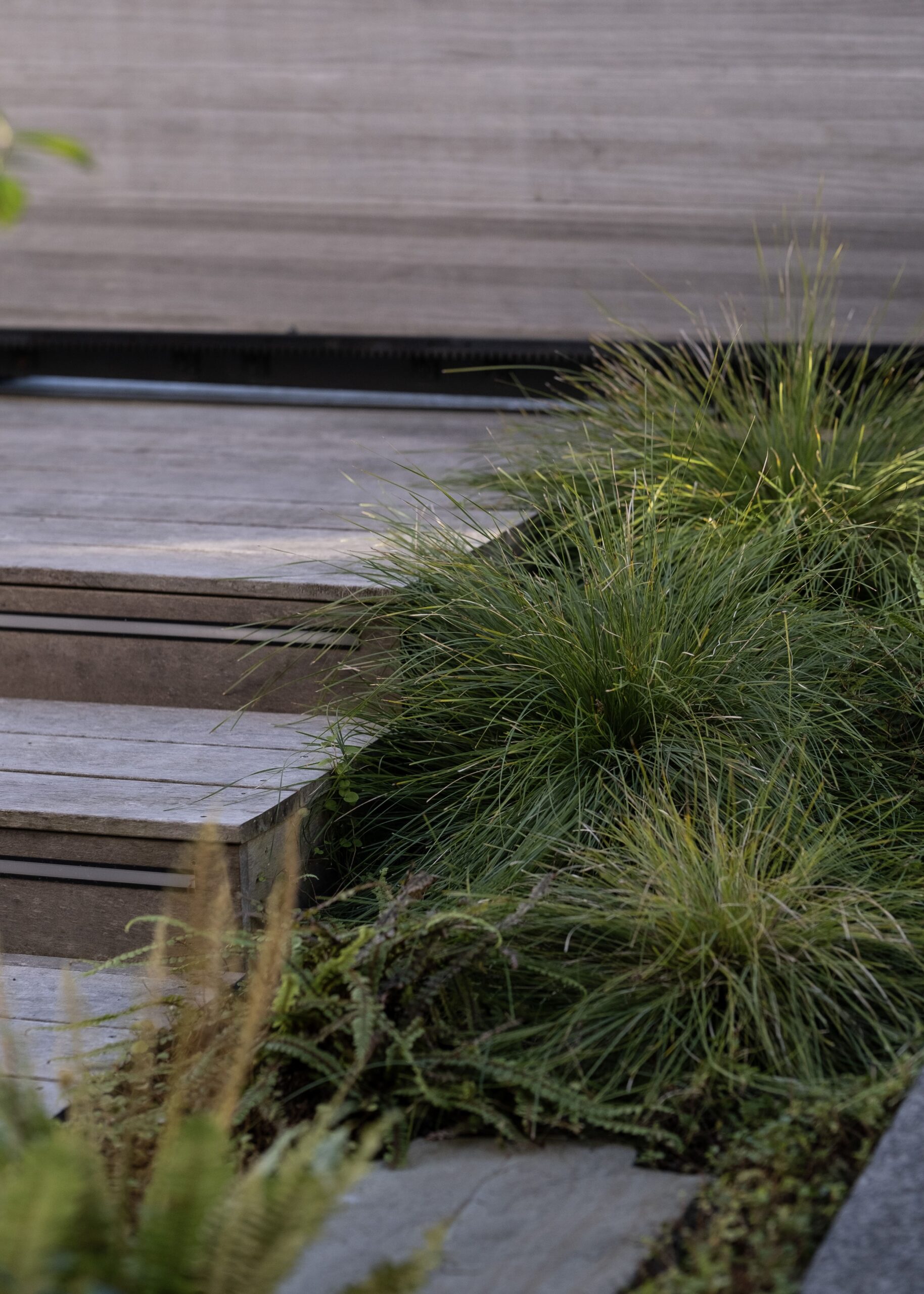
- Natural materials — timber, stone, concrete — that echo what’s found in the landscape
- Texture over gloss, so surfaces feel grounded rather than reflective
- Soft, layered colour palettes drawn from the garden itself — the grey-green of a native canopy, the warm bronze of autumn foliage, the deep red of a Callistemon in flower
- Colour connections between interior and garden, drawn from finishes, furnishings, or even a favourite piece of art
When interiors are overly polished or dominant, they disconnect from the landscape beyond. Instead, we design gardens with strong natural focal points — elements that draw your eye, shift your mood, and anchor the home to its setting.
Working with a Garden Designer in Auckland
Auckland’s climate, soil type, and urban density create a specific set of design challenges and opportunities that reward local expertise. From the wind exposure of coastal sites on the Waitematā to the compact urban sections of Ponsonby & Grey Lynn or the larger lifestyle blocks in Coatesville & Matakana — each setting calls for a design response that’s specific to place.
As Auckland garden designers, we work across all of these contexts. What stays consistent is the approach: understanding the site first, designing the garden in relationship with the home, and creating outdoor spaces that are genuinely liveable across all seasons.
For Auckland homeowners, this often means:
- Designing for the prevailing wind and sun angles specific to your site
- Choosing plants suited to Auckland’s humidity, rainfall, and coastal conditions where relevant
- Understanding your soil — Auckland soils vary significantly, from the heavy clay of much of the North Shore to the free-draining volcanic soils at the base of our maunga. Getting this right underpins every planting decision we make.
- Working within council guidelines around tree removal, impervious surfaces, and stormwater
- Creating outdoor rooms that extend the living season — Auckland’s mild winters make year-round outdoor living genuinely achievable
If you’re planning a new build, renovation, or simply want to unlock what your existing garden could become, working with a garden designer early in the process is the single most effective way to ensure the result feels cohesive, considered, and connected to the landscape.
A Home That Feels Grounded in Aotearoa
Ultimately, a well-designed home and garden in New Zealand should feel connected to its place. That might mean predominantly NZ native garden planting that reflects the local ecology, framing views of distant hills, bush, or harbour, or using feature native trees — nīkau palm, Pseudopanax ferox, pōhutukawa ‘Māori Princess’, or rewarewa — as quiet focal points that root the home in the landscape.



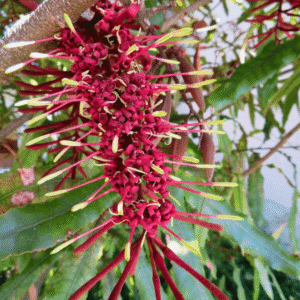
For a deeper look at designing with New Zealand natives, our guide to NZ native gardens covers everything from species selection to structure and long-term planting strategies.
When the garden and house are designed as one, the result is a home that feels cohesive and in keeping with its surroundings — calm, generous, and naturally connected to the landscape it sits within.
In Essence
Garden design allows a home to feel settled and nestled into its environment, rather than simply placed upon it. This requires the garden to be considered alongside the design of the home — not as a finishing touch, but as a founding one.
Design the garden alongside the home or renovation. Create spaces that draw people outside — and bring the landscape back in.